 11
11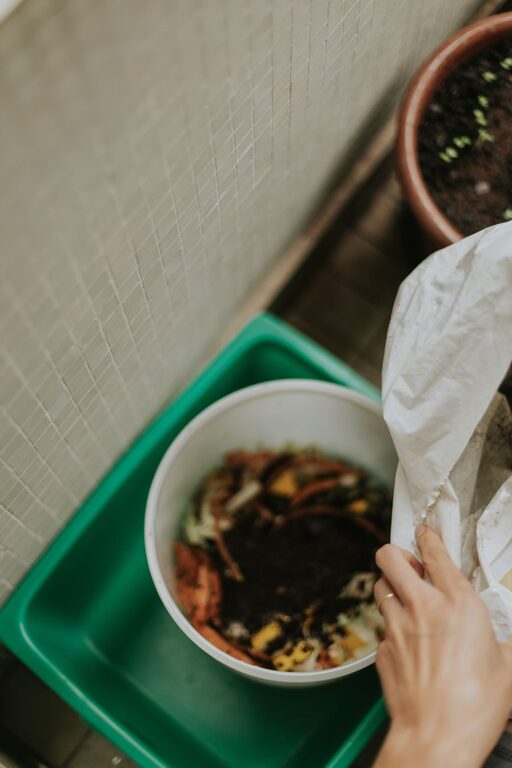
Reducing food waste at home is a straightforward way to save money, conserve resources, and help the environment. Every year, tons of edible food end up in the trash, contributing to waste and greenhouse gas emissions. By making small, thoughtful changes to how you shop, store, and cook food, you can make a big difference. Here are some practical ways to reduce food waste in your household.
Food waste affects more than just your grocery budget. Wasted food means wasted water, energy, and labour that went into producing, transporting, and storing that food. When food scraps decompose in landfills, they release methane, a potent greenhouse gas. Cutting down on food waste supports sustainability and lessens your environmental footprint.
Planning meals ahead helps you buy only what you need. Check your fridge and pantry first to use what you already have before buying new items. Writing a meal plan creates a clear shopping list, reducing impulse buys that may go uneaten.
Shop with a list based on your meal plan and avoid shopping when hungry to resist unnecessary purchases. If possible, buy loose fruits and vegetables so you can choose the exact quantity needed, which helps prevent excess.
“Best before” dates indicate quality, not safety, meaning food can often be eaten after that date if it looks and smells fine. “Use by” dates are more about safety and should be followed closely. Knowing the difference helps you avoid tossing perfectly good food.
Store leftovers and opened packages in clear, airtight containers and label them with the date. This practice reminds you to eat them before they spoil and reduces the chances of double buying.
Place older items at the front and new purchases behind them. This simple rotation encourages you to use food before it expires.
– Keep herbs fresh by trimming stems and placing them in a glass with water, covered loosely with a plastic bag.
– Store potatoes, onions, and garlic in a cool, dry, dark place, not in the fridge.
– Keep fruits and vegetables that emit ethylene gas (like apples and bananas) separate from those sensitive to it (such as leafy greens).
Serving the right amount helps prevent plate waste. Start with smaller portions, and you can always go back for seconds. Involve family members in portion decisions to reduce unwanted leftovers.
Leftovers can be transformed into soups, casseroles, stir-fries, or sandwiches. For example, cooked vegetables can become a hearty frittata, or stale bread can turn into croutons or bread pudding.
If you won’t eat leftovers within a few days, freeze them to extend their shelf life. Soups, sauces, cooked meat, and bread freeze well. Use freezer-safe containers or bags, and label with the contents and date.
Not all food waste can be avoided, but composting scraps like vegetable peelings, coffee grounds, and eggshells keeps organic waste out of the landfill. Compost enriches your garden soil and reduces methane emissions from waste.
Many grocery stores and markets offer misshapen or slightly bruised fruits and vegetables at a discount. These are just as nutritious and tasty but often discarded simply because they’re less visually appealing.
Use all edible parts of produce, such as beet greens, broccoli stems, and citrus peels, which can be cooked, juiced, or added to stocks and smoothies.
Involve everyone at home in food waste reduction practices. Children can learn about portion sizes, and family members can help plan meals and store food properly. Sharing this knowledge increases success and makes it a team effort.
Reducing food waste at home does not require a complete lifestyle overhaul. With some planning, smart shopping, proper storage, and creativity, you can minimise waste while enjoying fresh, delicious meals. Each small step contributes to a healthier planet and a fuller wallet.
By being mindful about the food we buy, use, and discard, we can all play a part in a more sustainable future—starting right in our own kitchens.