 11
11
Getting a good night’s sleep is essential for overall health and well-being. However, many people struggle to fall asleep easily or stay asleep through the night. One effective way to improve sleep quality is by adopting a wind-down routine — a series of calming activities done before bedtime to signal to your body that it’s time to rest.
In this post, we’ll explore how you can create and maintain a wind-down routine that helps you sleep better, feel more refreshed, and wake up ready to take on the day.
A wind-down routine is a set of relaxing activities done in the hour leading up to bedtime. Its main goal is to reduce stress, slow down your mind, and prepare your body for sleep. This routine helps transition from the busyness of the day to the calmness needed for quality rest.
Many factors can interfere with sleep, including stress, screen time, and irregular schedules. A wind-down routine works by:
– Lowering cortisol levels: Stress hormones that keep you alert are reduced.
– Signalling your brain: Your body learns to associate certain activities with sleep.
– Relaxing the nervous system: Calming techniques slow your heart rate and breathing.
– Limiting exposure to blue light: Reducing screen time helps melatonin production.
Every person is unique, so it’s important to find what works best for you. Below are easy steps to build a personalised wind-down routine.
Going to bed and waking up at the same time every day supports your body’s internal clock. Try to stick to your chosen bedtime even on weekends.
Dedicate at least half an hour before sleeping to unwind. This gives your body time to transition naturally into rest mode.
Avoid TVs, smartphones, tablets, and computers during this period. The blue light emitted by these devices can trick your brain into thinking it’s daytime.
Choose calming tasks that help you disconnect from daily stress. Some ideas include:
– Reading a physical book or magazine
– Listening to soft music or nature sounds
– Practicing gentle yoga or stretching
– Meditating or doing deep breathing exercises
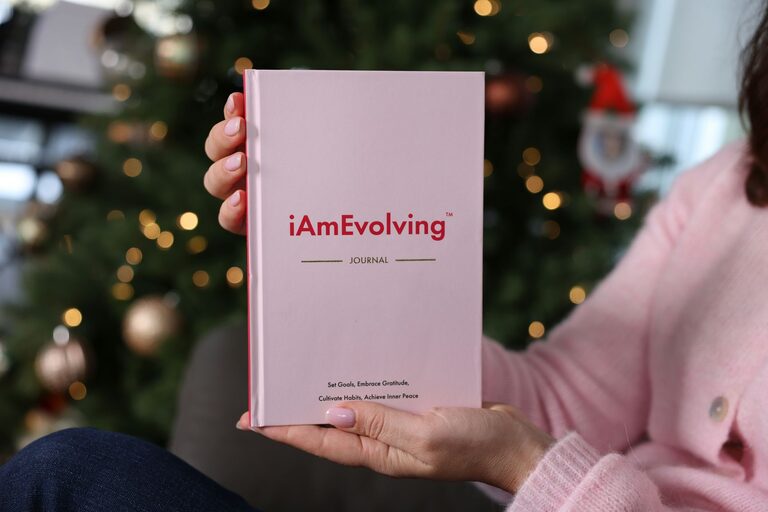
– Writing in a journal to clear your mind
Adjust your bedroom to be inviting and peaceful by:
– Dimming the lights
– Using blackout curtains to block outside light
– Keeping the room cool and well-ventilated
– Adding calming scents like lavender through essential oils or candles (ensure they are safe and extinguished before sleep)
Try to finish eating at least 2-3 hours before sleeping and limit caffeine consumption after mid-afternoon.
Consistency is key. The more regularly you practice your wind-down routine, the more effective it will become.
Here’s an example of a 45-minute routine that you can adjust to fit your preferences:
– 8:15 pm: Turn off screens and dim the lights.
– 8:20 pm: Prepare a warm, caffeine-free drink like herbal tea.
– 8:25 pm: Do 5-10 minutes of gentle stretching or yoga.
– 8:35 pm: Write in a journal or read a calming book.
– 8:45 pm: Practice 5 minutes of deep breathing or meditation.
– 8:50 pm: Get into bed and focus on calming thoughts.
– Be patient: It may take several weeks to notice improvements.
– Adapt as needed: Modify your routine if certain activities aren’t helpful.
– Limit naps during the day: Excessive daytime sleeping can interfere with night sleep.
– Use sleep-friendly technology: Apps for white noise or guided meditation can support relaxation.
If you consistently have trouble falling or staying asleep despite following a wind-down routine, consider consulting a healthcare professional. There may be underlying issues such as sleep disorders that require specific treatment.
A wind-down routine is a gentle, natural way to improve sleep quality. By making relaxation part of your nightly ritual, you help your body and mind transition smoothly into rest. With some trial and error, you can create a routine tailored to your needs that promotes restful and rejuvenating sleep every night.
Sweet dreams!